Mkhwanazi to close chapter on criminal justice corruption inquiry
Babalo Ndenze
15 March 2026 | 6:30Mkhwanazi will then return to close the hearings on Wednesday before the next phase of the committee.
- KZN police commissioner Nhlanhla Mkhwanazi
- Bheki Cele
- Parliament’s ad hoc committee
- Paul O’Sullivan
- Cedric Nkabinde

KZN Police Commissioner Nhlanhla Mkhwanazi appears before Parliament's Ad Hoc Committee investigating police malfeasance on 07 October 2025. Picture: Kayleen Morgan/EWN
The parliamentary ad hoc committee established to investigate allegations of corruption within the criminal justice system will conclude its hearings this week. The final sessions feature the return of KwaZulu-Natal’s top police official, Nhlanhla Mkhwanazi, for his closing testimony.
It was Mkhwanazi’s explosive revelations during a press conference last year that served as the catalyst for the parliamentary inquiry. The now-infamous briefing on July 6 implicated several high-ranking public service individuals, ranging from Minister on special leave Senzo Mchunu to suspended Deputy National Commissioner Shadrack Sibiya.
National Assembly Speaker Thoko Didiza initiated the establishment of the committee just days after Mkhwanazi’s initial public disclosures.
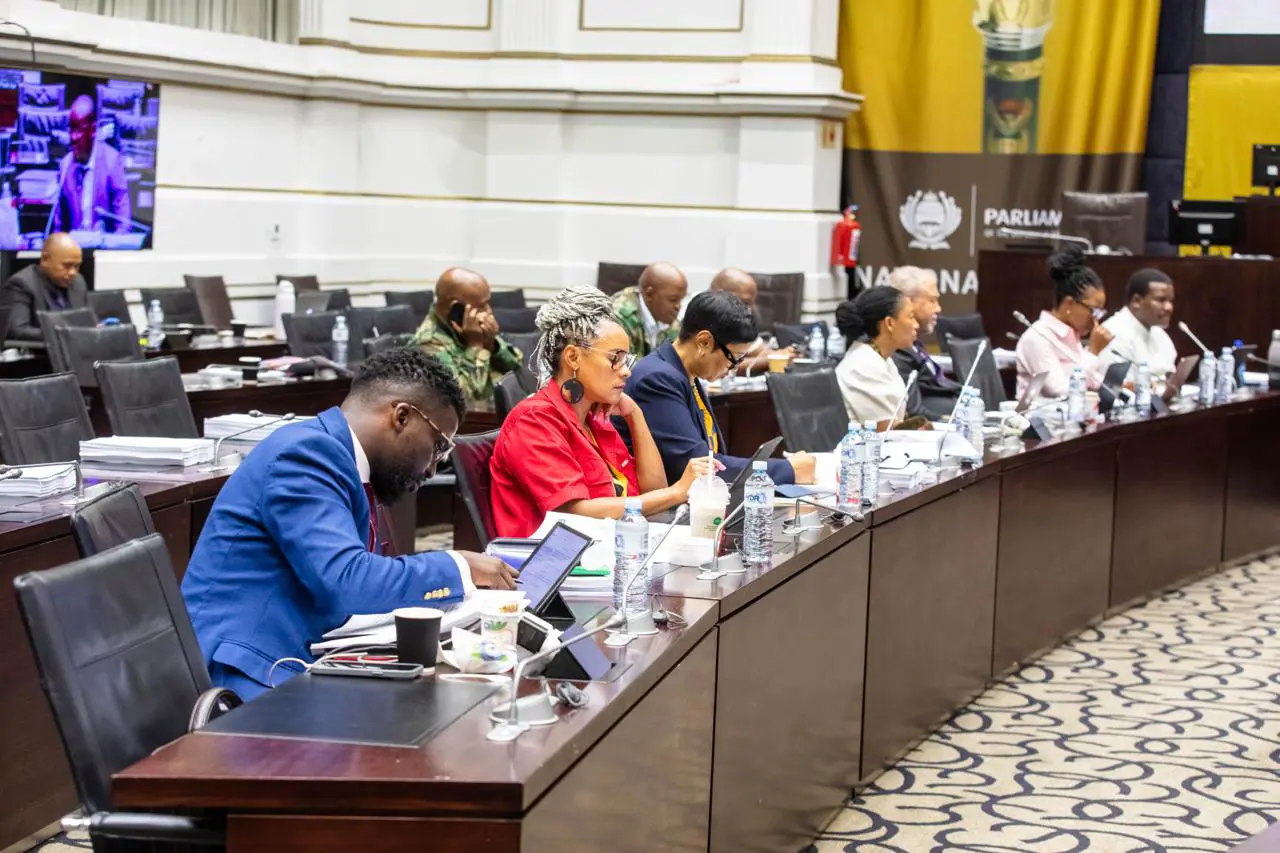
Parliament's Ad Hoc Committee probing police corruption. Picture: Parliament
KEY WITNESSES AND TESTIMONY
Over the course of the inquiry, the committee has heard from several high-profile figures:
Nhlanhla Mkhwanazi: The first witness to provide oral evidence when hearings commenced on October 7 last year.
Bheki Cele: The former Police Minister testified regarding allegations that he received R500,000 in separate payments from alleged crime kingpin Vusimuzi "Cat" Matlala.
Cedric Nkabinde: Mchunu’s Chief of Staff stands accused of interfering in police operations and allegedly supporting the disbandment of the political killings task team.
Robert McBride: The former head of the Independent Police Investigative Directorate (IPID) was placed at the center of interference allegations. He is accused of targeting former Acting Commissioner Kgomotso Phahlane to block his appointment as National Commissioner.
Paul O’Sullivan: The forensic investigator faced intense questioning regarding criminal interference in the South African Police Service (SAPS). The committee has since laid criminal charges against O’Sullivan for contempt of Parliament after he stormed out of proceedings.

Former Police Minister Bheki Cele in Parliament on 23 October 2025 to testify before the Ad Hoc Committee probing claims of alleged claims made by Lieutenant-General Mkhwanazi on interference in the justice system. Picture: Phando Jikelo/RSA Parliament
Committee Chairperson Soviet Lekganyane confirmed on Friday that the hearings will wrap up this week. National Commissioner Fannie Masemola is scheduled to appear on Tuesday at 10:00, followed by Mkhwanazi’s final submission on Wednesday.
"General Masemola is coming here next week, Tuesday at 10 o’clock," Lekganyane stated.
Mkhwanazi will then return to close the hearings on Wednesday before the next phase of the committee.
Following Wednesday’s testimony, the committee will shift its focus to a draft report encompassing all evidence presented. President Cyril Ramaphosa is also expected to provide a written submission on Monday, ahead of Masemola’s evidence.
Technical team member Christine Silkestone confirmed during a housekeeping meeting last week that the drafting process is already underway. She noted that the document is being updated continuously as the inquiry progresses.
"The report will be descriptive and organisational," Silkestone explained. "Although it is analytical, it doesn’t address the credibility of any of the evidence that was presented or try to evaluate the evidence from that perspective."
The report will be strictly aligned with the committee’s terms of reference. The adoption process is expected to take several weeks, culminating in a final report with formal recommendations to be presented to the National Assembly for consideration.
Get the whole picture 💡
Take a look at the topic timeline for all related articles.
Trending News
- 9 hours ago
Health minister says death of one of the conjoined twins a reminder of medical limitations
- 11 hours ago
Eskom reports major improvements across generation fleet
- 03/04, 14:05
Health Minister visits Mankweng hospital following death of one of conjoined twins
- 03/04, 13:00
Transport MEC says human error to blame for three major Easter crashes in Limpopo
- 03/04, 10:15
One of conjoined twins separated in historic surgery in Limpopo passes away
- 03/04, 08:45
Head-on collision involving two vehicles on R37 in Ga-Chuene
- 03/04, 08:10
SIU probes R14m in COVID-19 tender fraud as asset recovery intensifies
- 03/04, 07:30
TRC recusal challenge: Zuma condemns leaked letter over Concourt move
- 03/04, 07:15
Cost of Living report shows households in SA are buckling under pressure
- 03/04, 06:30
Cabinet slams so-called coronation of Nigerian 'King'
- 02/04, 15:00
Search and seizure warrant executed at home of Sergeant Fannie Nkosi
- 02/04, 14:30
Zuma approaches Constitutional Court in urgent bid to remove Justice Khampepe