


SARB Governor says it's too early to determine full impact of Middle East conflict
Dimakatso Leshoro
22 April 2026 | 3:44Lesetja Kganyago said that despite current global shocks, the bank will not tinker its inflation target to deal with current shocks.
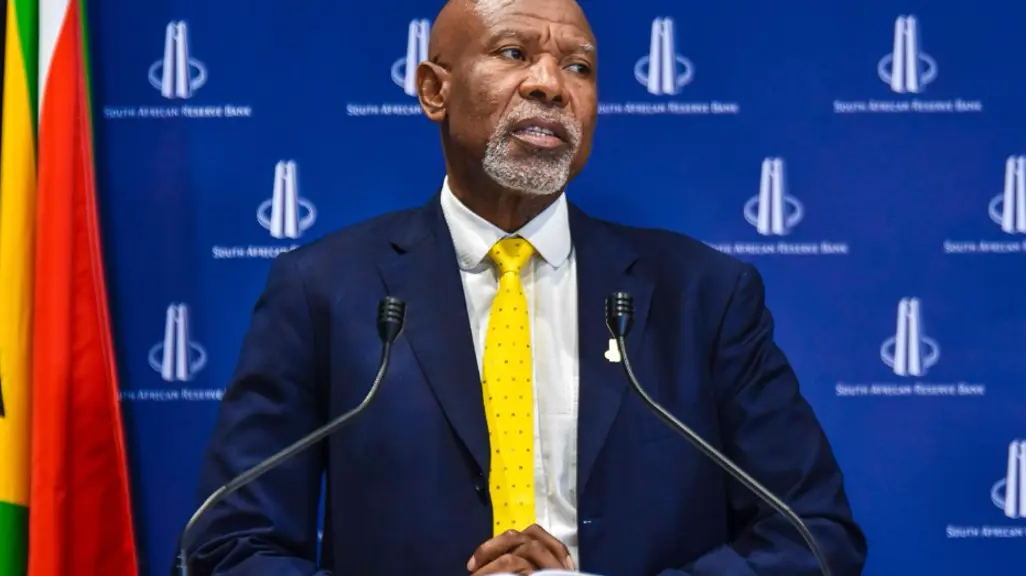
Reserve Bank Governor Lesetja Kganyago. Picture: @SAReserveBank/X.
The South African Reserve Bank (SARB) Governor Lesetja Kganyago said it is still too early to determine the full impact of escalating geopolitical tensions in the Middle East.
He has warned that risks of secondary effects on inflation continue to weigh on the country's economy.
Kganyago said this could force the bank to keep inflation anchored at its 3% target.
He was speaking at the first Monetary Policy Forum of the year on Tuesday night.
“We have learnt our lesson from the previous shock of 2002. It was a costly macroeconomic lesson.”
Kganyago said that despite current global shocks, the bank will not tinker its inflation target to deal with current shocks.
ALSO READ: SARB keeps interest rates on hold, but the outlook is improving for South Africa
This comes as central banks seek to find ways to deal with the impact of the Middle East conflict while keeping a hold on prices.
“The inflation target is 3%, and it remains 3%.”
He said the bank cannot wait before inflation is broad-based in the economy before acting.
Meanwhile, the acting head of economic research at the central bank, Theo Janse van Rensburg, said there are renewed concerns about global stagflation.
He said the trajectory of monetary policy has become increasingly uncertain amid the ongoing conflict.
“The impact is still uncertain as the conflict is evolving.”
He said markets are now anticipating central banks to hike interest rates in response.
FOOD PRICE INFLATION LIKELY TO RISE
The SARB said multiple pressures could push food inflation higher as fertiliser and diesel costs and the impact of foot-and-mouth disease put a strain on food prices.
It added that weather-related risks, including the possibility of a strong El Niño effect, may further disrupt agricultural output.
On Wednesday, Statistics South Africa will release the latest inflation numbers, which are expected to show a moderate uptick in food inflation.
Janse van Rensburg said the start of the conflict in the Middle East has sharply increased oil prices.
This, together with increased fertiliser prices, has seen global food prices rise for a second consecutive month in March, since September last year.
“To plant and to harvest, you need a lot of fuel. That’s going to raise the cost of food production, but also fertilisers are going to be more expensive, and because of that, we’re likely to see food prices rising going forward.”
Get the whole picture 💡
Take a look at the topic timeline for all related articles.
Trending News
- 2 hours ago
SAA ‘still a long way from being profitable’: Transport Minister
- 2 hours ago
IEC notes significant looming challenges ahead of local govt polls
- 3 hours ago
Ayanda Dludla back before court for continued bail application
- 3 hours ago
Mnisi concedes ‘perception of conflict’ in handling some Tshwane tenders
- 3 hours ago
Masemola's tender corruption scandal raises questions about his future
- 3 hours ago
Court to hand down bail judgement for Fannie Nkosi
- 3 hours ago
Pope to visit prison on final leg of Africa tour
- 14 hours ago
DA calls on Ramaphosa to place Fannie Masemola on suspension
- 18 hours ago
SIU freezes R76.5m in assets linked to alleged Eskom procurement syndicate
- 19 hours ago
Mnisi accused of using his position to cancel tender on behalf of notorious taxi boss
- Yesterday
Top cop Fannie Masemola to share dock with 'Cat' Matlala in May


